


UW-Milwaukee’s Weather Guide 2026 is coming to you from the Forecasting Team at the UWM Post. I am Brandon Cheeseman, the lead forecaster and editor for the team, and have lived in Southeastern Wisconsin for most of my life.
Weather here might seem a bit strange at times, but to help you through the school year, I have compiled some insights into what you might see this year.
What is this Weather Guide?
This article provides an overview of the weather one might experience in Southeastern Wisconsin during the 2026-2027 school year.
Due to the variability in many forecast models out this far, I place a larger emphasis on historical averages and trends. This article is compiled with model and outlook data available on August 31st, 2026. Just as our forecasts, the layout of this guide follows a chronological order: fall, winter, spring. I will also make note of common Wisconsin outfits throughout.
Fall (September, October, November)
Autumn in Wisconsin brings about a chill to Milwaukee’s temperatures:
- September: 78 falling to 68
- October: 67 falling to 55
- November: 54 falling to 41
While fall storms are occasional, 2026 might feature several thunderstorms in September and early October instead of regular rain systems due to a strengthening El Niño changing upper air patterns.
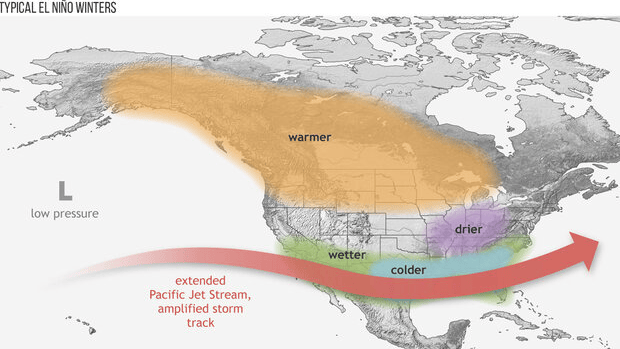
El Niño is a climatological pattern characterized by above-average temperatures in the ocean and atmosphere in the Pacific.
More known for its effects on winter and summer, the Climate Prediction Center calls for an 95% chance of a very strong El Niño within October to December. This likely equates to slightly higher-than-average temperatures throughout fall. See a more in-depth outlook with our Fall Climate Outlook 2026!
Still, layering one’s tops, such as wearing a T-shirt and a zip-up sweatshirt, might be the best move once we get into October. Due to the warm outlook, one can expect:
- First Frost: mid-October
- First Freeze: late-October
- First Snowflakes: early November
- First Significant Snow: mid-November
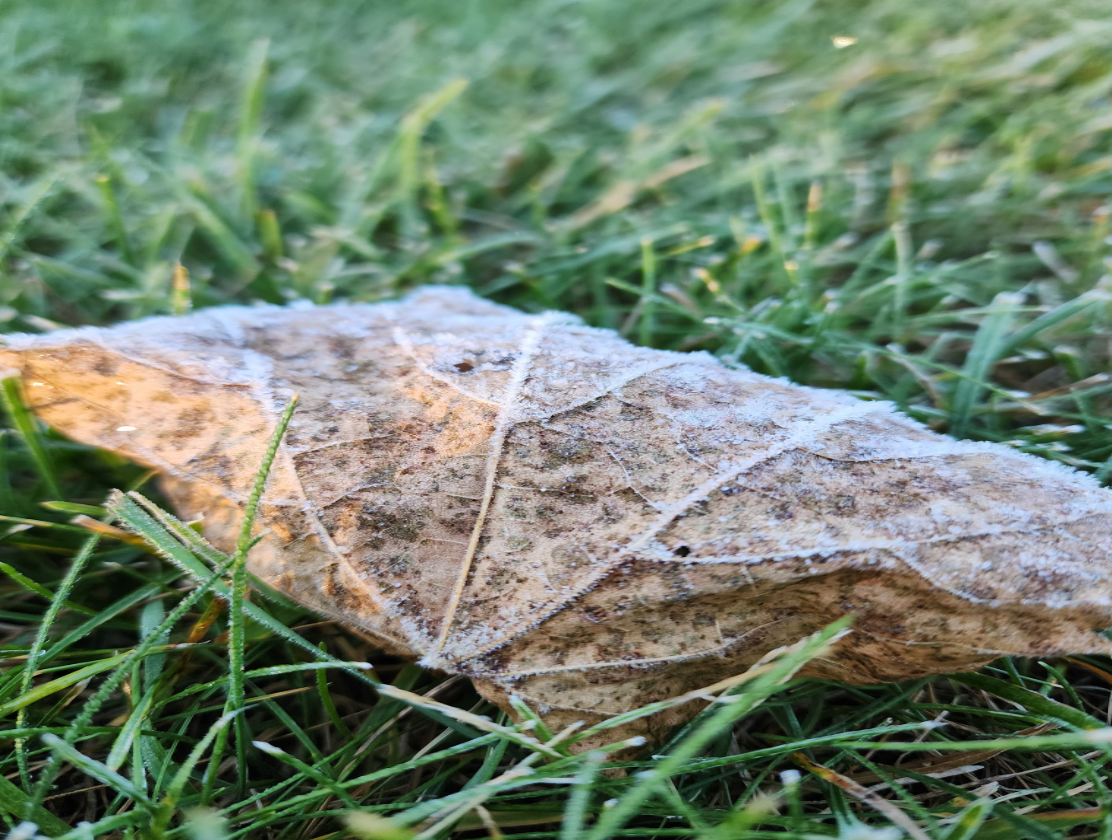
Autumn in Southeastern Wisconsin never ceases to amaze, especially out in the Kettle Moraines on the Ice Age National Scenic Trail. Usually, autumn leaves change progressively:
- Near Peak: mid-October
- Peak: late-October
- Past Peak: early November
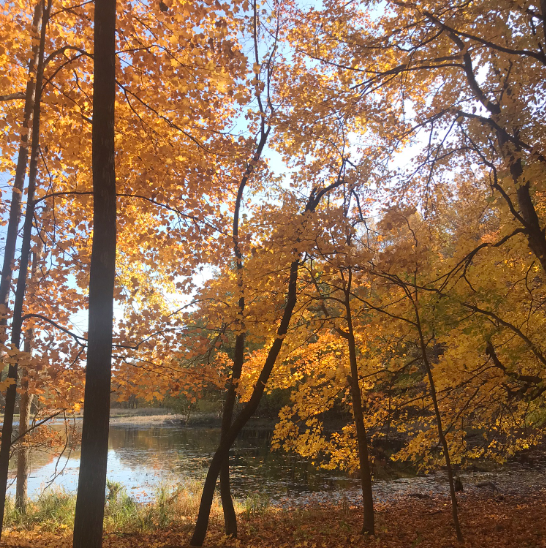
But whoever enjoys romping in the crunchy golden leaves will likely need to wait a bit longer for the flannel-wrapped hiking. Higher temperatures keep the leaves from changing earlier.
Thanks to the strengthening El Niño, things could stay drier, also allowing for more vibrant colors during the aptly named sweater-weather.
Winter (December, January, February)
As the semester winds down, temperatures fall and freeze Lake Michigan’s shores, but start increasing again by early next semester:
- December: 41 chills to 33
- January: drops to 30
- February: warms to 39
Note that people talk of much colder weather than this. Low temperatures within the last 20 years have all reached below zero except for 2010, which had a low of 1 degree.
Especially when this happens, wind chill becomes a huge factor. Wind chill measures how the wind speed creates a seemingly colder environment than just temperature alone. Almost like a feels-like temperature, the wind chill occasionally sinks to negative 25 and below, likely prompting cold weather advisories.
El Niño commonly induces above-average temperatures across the northern United States, though, so we might only go below zero once or twice. Bundle up in a nice coat over a sweatshirt with fuzzy pants to stay comfortable. Do not forget a hat and gloves when outside!
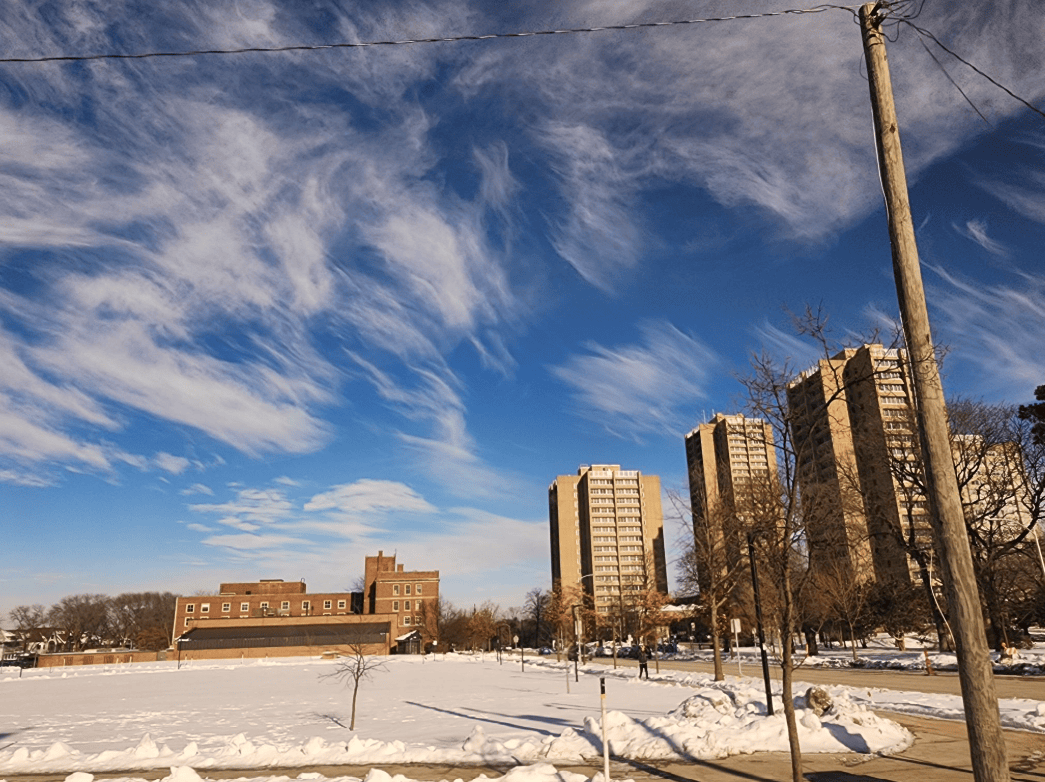
While the Ohio River Valley experiences drier weather with the El Niño, Milwaukee stays next to normal.
Averaged over many years, Milwaukee receives just under 50 inches of snow per year, but due to the El Niño, one might expect less snow. This does not mean Wisconsin will lack snowstorms. Milwaukee usually gets slammed by one or two major snows exceeding 6 inches in a given winter.
Other than snow, watch out for ice! Sidewalks and roads occasionally become slick with ice, so be sure-footed and beware of glistening pavement. With warmer temperatures probable for winter, probabilities of freezing rain and sleet increase.
- Expect 1-2 snowstorms (>6 in. snow accumulation)
- <50 in. of snow total
- Ice
Spring (March, April, May)

As temperatures greet the springtime with a warm embrace, snow turns into an ugly sludge. Milwaukee’s high temperatures rise to nearly 70 by the second semester’s end in mid-May:
- March: 39 warms to 49
- April: 49 warms to 60
- May: 61 warms to 72
Despite its supposed rise, temperatures still can slip below freezing in spring, even bringing some snow sometimes; take last year’s March Madness Blizzard as an example. Usually a long-sleeve shirt and thin pants go a long way, but layering remains a great option.
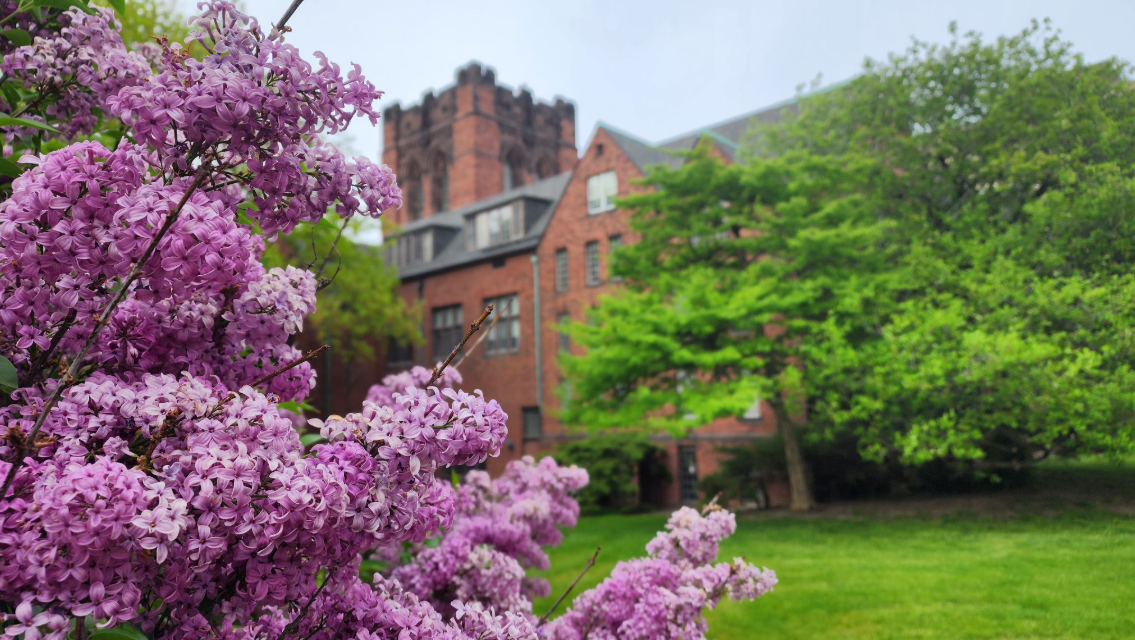
Highly anticipated, at least by me, is the severe weather season in Wisconsin. Beginning in March, severe thunderstorms return, though truly, May through August is Wisconsin’s prime time for tornadoes. Read more about severe weather HERE.
Severe weather includes:
- Flooding
- Damaging Winds (incl. tornadoes)
- Hail
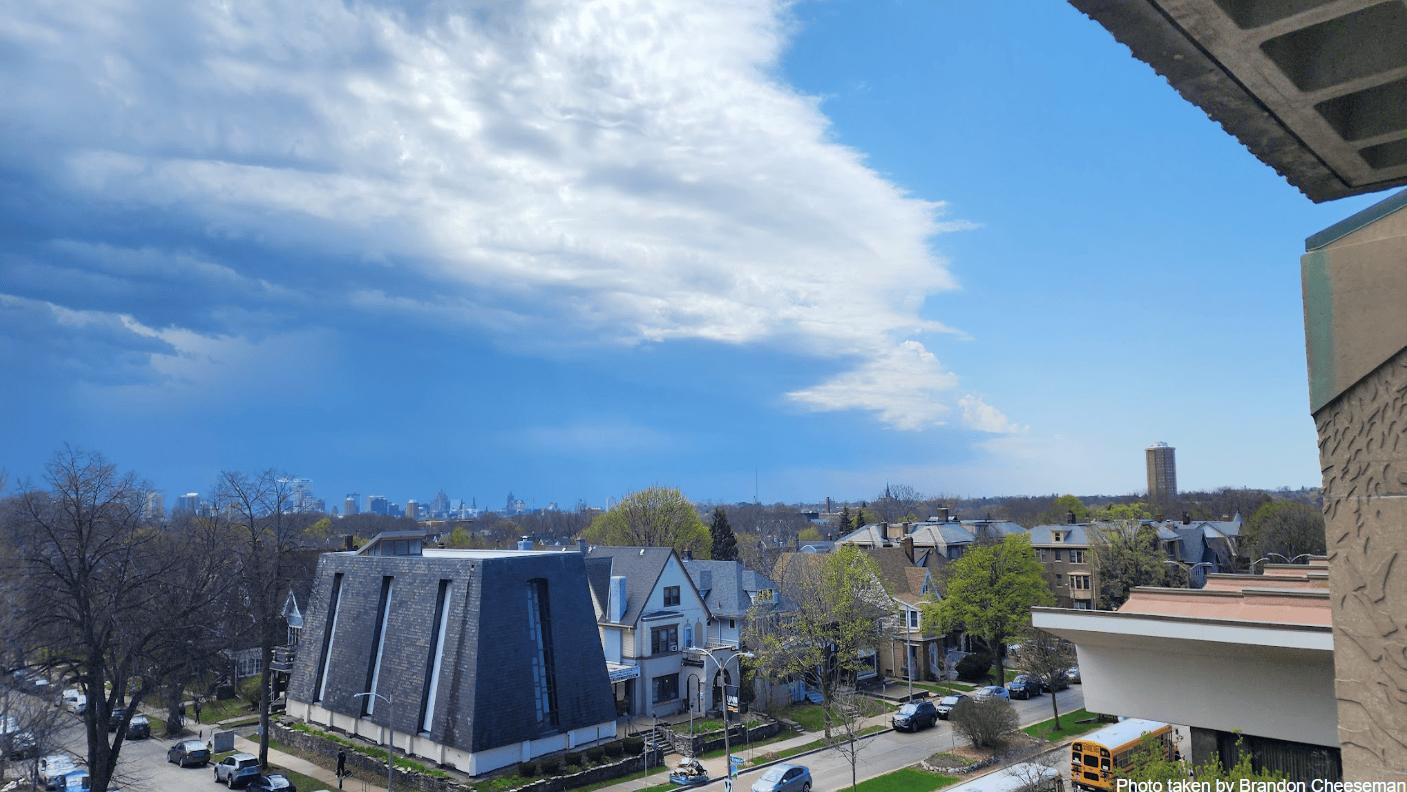
Are YOU prepared?
I hope you now feel ready for Wisconsin’s wild weather! Feel free to reach out about any weather concerns or tips to the UWM Post at officialuwmpost@gmail.com.
To summarize, snow is incoming by November, heavy snow at some point in Winter with temperatures below zero a couple of times, but we warm up and could enter into some severe thunderstorms by the end of final exams in May.
Highlights during the season include kayaking the Milwaukee River, hiking under the falling leaves, bonfires in late fall, snowball fights, sledding, skiing, snowboarding, witnessing a frozen Lake Michigan, and blooming lilacs to announce the spring.
For the outfits, I find layering is always the best option.
Until next time, keep up to date with your forecasts and climate reports here on the UWM Post! Welcome to Milwaukee!
This was included in MKZine!
“MKZine: Student Lifestyle Guide” – Volume 1, Issue 1 – September 2026
“MKZine: Student Lifestyle Guide” is available for viewing online here: https://uwmpost.com/special-projects/mkzine-uwm-student-lifestyle-guide
